TL;DR, Quick Answer
4 min readA good AI SEO tool for keyword research and content optimization should find opportunities, build briefs, improve copy, and feed performance data back into your next OpenClaw workflow.
When you choose an OpenClaw SEO tool for keyword research and content optimization, judge it by the workflow it completes, not the feature grid it shows. The winning setup finds keyword gaps, turns them into briefs, publishes content, and checks whether the page earns traffic later.
That is why ClawOneClick works well for SEO teams already using OpenClaw. You can build a skill stack instead of buying another fixed dashboard.
What The Tool Needs To Do
A useful AI SEO workflow has five jobs:
- Pull live SERP context and related questions
- Cluster keywords by intent
- Create a content brief with sections, FAQs, and internal links
- Rewrite weak sections without flattening the brand voice
- Measure results after publishing
Traditional SEO software is still strong for databases and backlink views. OpenClaw skills are better when you want the work to continue: research, draft, publish, monitor, and report.
- Strong keyword and backlink databases
- Stops once the report is generated
- Research, draft, publish, monitor, report
- Keeps working after the article goes live
Where Flowsery Fits
Flowsery matters because content optimization does not stop at publish. Your agent can check page views, sources, countries, and conversions, then decide whether the article needs a new title, better internal links, or social distribution.
That feedback loop is the part most AI SEO tools miss. They help create the article, then leave the results in another product.
A ClawOneClick SEO Stack
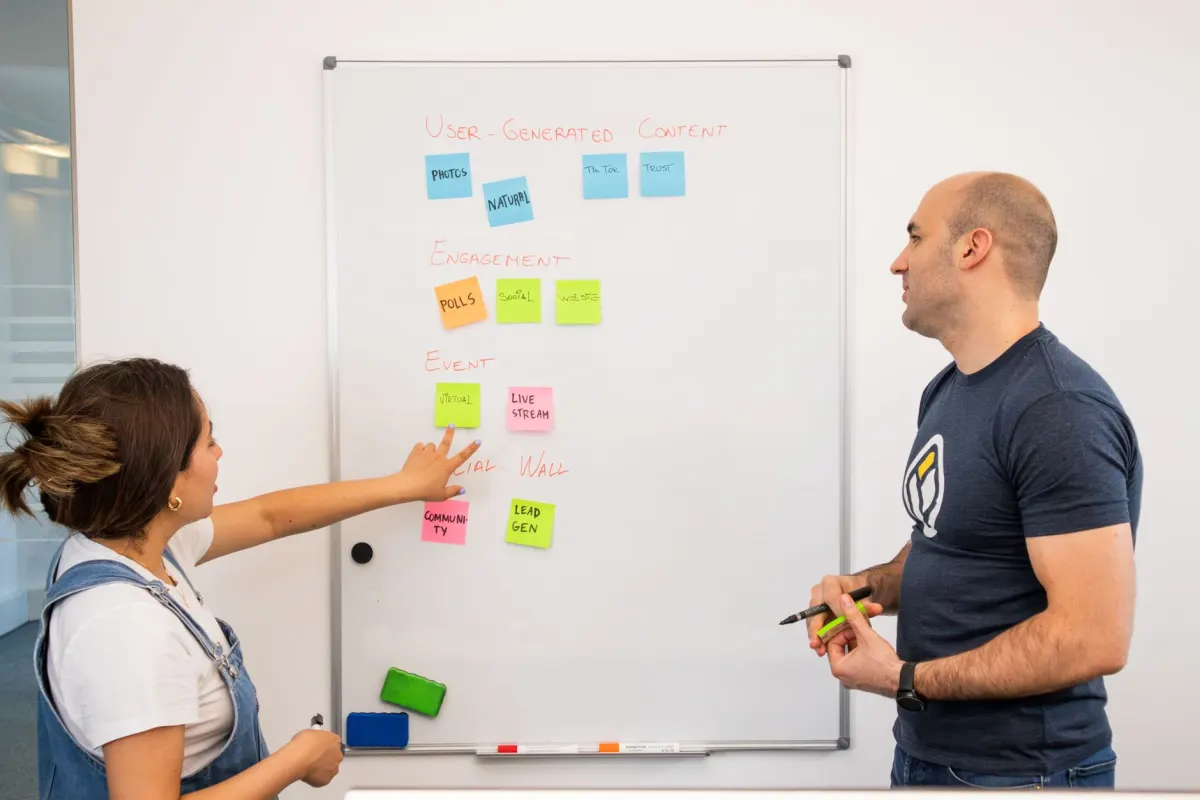
Use this stack for a lean SEO operation:
- Web research skill for SERP notes
- Keyword research skill for opportunity scoring
- Content writer skill for briefs and drafts
- Flowsery skill for analytics checks
- AdaptlyPost skill for social distribution when the article is live
The best AI SEO tool for keyword research and content optimization is the one that lets your agent learn from the last campaign before it starts the next one.
Product Links
Use AdaptlyPost for social publishing and Flowsery for website analytics inside your ClawOneClick workflows.
FAQ
Can OpenClaw replace Semrush or Ahrefs?
Not completely for backlink databases. It can replace many day-to-day research, briefing, writing, and reporting workflows.
Why add Flowsery to an AI SEO stack?
Flowsery gives the agent performance data, so it can optimize based on visits and conversions instead of guesses.
What does a complete AI SEO workflow include?
A complete AI SEO workflow starts with keyword gaps pulled from live SERP context, then turns those gaps into content briefs with sections, FAQs, and internal links. From there the workflow drafts and publishes the article, then checks whether the page earns traffic once it's live. A tool that stops after the draft only covers half the job.
How is ClawOneClick different from a fixed SEO dashboard?
ClawOneClick lets you assemble a skill stack instead of buying one dashboard with a fixed feature set. Each skill handles one part of the job, like web research, keyword scoring, content writing, or analytics, and you can swap or add skills as the campaign changes. That flexibility is the point for SEO teams already running OpenClaw.
What should a content brief cover?
A brief built by the ClawOneClick workflow includes sections mapped to search intent, an FAQ block, and internal links to related pages. Those three pieces give the writer skill enough structure to draft without losing the keyword clusters the research step found. The brief is the handoff point between research and writing.
ClawOneClick
Get Started FREE
Any AI model
4+ channels
Custom skills
Can an AI rewrite weak sections without sounding robotic?
The content writer skill in the stack rewrites weak sections while keeping the brand voice intact, rather than flattening every page into the same generic tone. It targets the sections that are underperforming instead of rewriting the whole article. That keeps edits focused and keeps the writing recognizable as yours.
What does the web research skill do in a ClawOneClick stack?
The web research skill pulls SERP notes, the raw material the rest of the stack works from. It feeds live search context into the keyword research skill, which then scores opportunities before any brief gets written. Without that first step, the briefs would be guessing at what's actually ranking.
When should the AdaptlyPost skill run in the workflow?
AdaptlyPost fits at the end of the stack, once the article is live and ready for social distribution. It runs after the content writer and Flowsery skills, not before, since there is nothing to distribute until the page is published. That ordering keeps the stack moving from research to publishing to promotion in sequence.

What performance signals does Flowsery track after publishing?
Flowsery tracks page views, traffic sources, visitor countries, and conversions for each published article. Those four signals let the agent judge whether a page is actually working instead of just guessing from rankings. The data then feeds decisions like a new title, stronger internal links, or a social push.
Why do most AI SEO tools miss the feedback loop after publishing?
Most AI SEO tools help create the article and then leave the performance data sitting in a separate analytics product the agent never touches. That gap breaks the loop between publishing and improving, so the next article starts from guesses again instead of results. Pairing Flowsery with the ClawOneClick workflow keeps that data inside the same system.
Was This Article Helpful?
Let us know what you think!
See us more often in Google
One click marks ClawOneClick as a preferred source, so our articles sit higher in your Top Stories, AI Mode, and AI Overviews.
Before you go...
ClawOneClick
Deploy your AI assistant in minutes
Choose your model, connect your channel, and go live with ClawOneClick.
Any AI model
4+ channels
Custom skills
Related Articles
Make an OpenClaw SEO Tool With Flowsery
Build an OpenClaw SEO tool for keyword research, content briefs, GEO optimization, Flowsery analytics, and ClawOneClick automation.
Explained Clearly - Automate GEO Keyword Research
Which AI SEO product gives real value when you automate GEO keyword research? Compare keyword workflows, AI citation tracking and Flowsery analytics.
Build Sharper OpenClaw Marketing Skills
Build OpenClaw marketing skills that research keywords, publish social posts with AdaptlyPost, and report campaign results with Flowsery.